


Every day, digital experiences compete for our attention. It doesn’t matter if it’s in classrooms, corporate training platforms, fitness apps, or marketing campaigns. It’s really hard to keep the users engaged. So, to keep up with this, gamification comes in but simple game mechanics no longer cut it. A new and powerful way to keep people interested online is AI-powered gamification. It gives users fun rewards like points or badges and also changes the experience to match each person. This powerful combination, artificial intelligence paired with clever game design allows us to create more personalized, dynamic, and emotionally resonant experiences.
So, when users log onto a platform with AI-powered gamification, they don’t just see static badges or generic challenges. They also experience content that adjusts to their skill levels, background, device, and even mood. AI can predict when they might disengage and intervene with a small reward or message. It can group users into fair competitions and provide on-the-spot coaching. The best part about this is that it can also deliver context-aware challenges that are based on time of day or location.
In this article, we’ll explore 10 AI-powered gamification strategies that can work across industries, education, wellness, training, marketing, and beyond. For each strategy you’ll get:
- What it is
- Why it works
- Real-world example
By the end, you will have a full guide to help you use AI-powered gamification in your own digital tools. Let’s get started!
1. Personalized Challenges & Rewards
What It Is
Personalized challenges and rewards are game-like tasks and prizes that are made just for each user. So, instead of giving every user the same goals or badges, AI analyzes each person’s past behavior, skill level, interests, and pace. Based on that, it dynamically assigns tasks and delivers rewards that genuinely motivate each user.
Why It Works
Humans thrive on matching challenge and skill. This “flow state” is broken when tasks are too easy (boredom) or too hard (frustration). AI adjusts that balance in real time. So, if a user breezes through, the system ups the difficulty. And if they’re struggling, it offers simpler content or micro-rewards to reinforce confidence.
Neurologically, personalized rewards trigger dopamine release, especially when these rewards feel “just right.” So, being acknowledged with a relevant badge or timely points feels more meaningful than generic ones. This increases the motivation of users and builds stickiness over time.
Real-World Example
Duolingo

Duolingo serves as a prime illustration. Its AI engine, called “Birdbrain,” continually adapts lessons based on mistakes and performance. Are you completing a lesson wrong? Well, AI schedules a simplified review. Are you mastering concepts? It ups the difficulty. So, users can now earn streaks and badges in a pattern that keeps their progress satisfying, without overwhelming them. With over 130 million monthly active users, Duolingo shows how personalized challenges and rewards can scale global engagement.
2. Adaptive Learning Paths
What It Is
Adaptive learning paths use AI to chart personalized educational journeys. But how? Well, it changes each user’s progression that is based on their performance in real-time. So, rather than following a fixed sequence of modules, users receive content that’s personalized to their unique strengths, weaknesses, and learning pace. This method will make sure that learners only move forward after showing strong understanding and quality mastery.
Why It Works
Real learning isn’t the same for everyone. This is because people learn at different speeds, remember things differently, and start with different knowledge. Adaptive learning keeps users in the ideal “Goldilocks zone”: not too easy and not too hard. This improves retention, motivation, and satisfaction. This approach is rooted in solid educational research. So, when learners receive instruction aligned with their mastery level, they can build stronger and faster understanding.
Moreover, allowing users to skip familiar material speeds up progress and reduces frustration. At the same time, providing additional practice or reinforcement for challenging concepts promotes deeper mastery, rather than a superficial grasp. Each adaptive decision supports meaningful progression, keeping learners confident and engaged.
Real-World Examples
Khan Academy

Khan Academy’s AI systems gather real-time data on quiz responses, time spent on exercises, and error patterns. For example, if a learner struggles with fractions, they receive additional practice at that level before moving forward. This approach helps immerse users in learning at their own pace.
Coursera
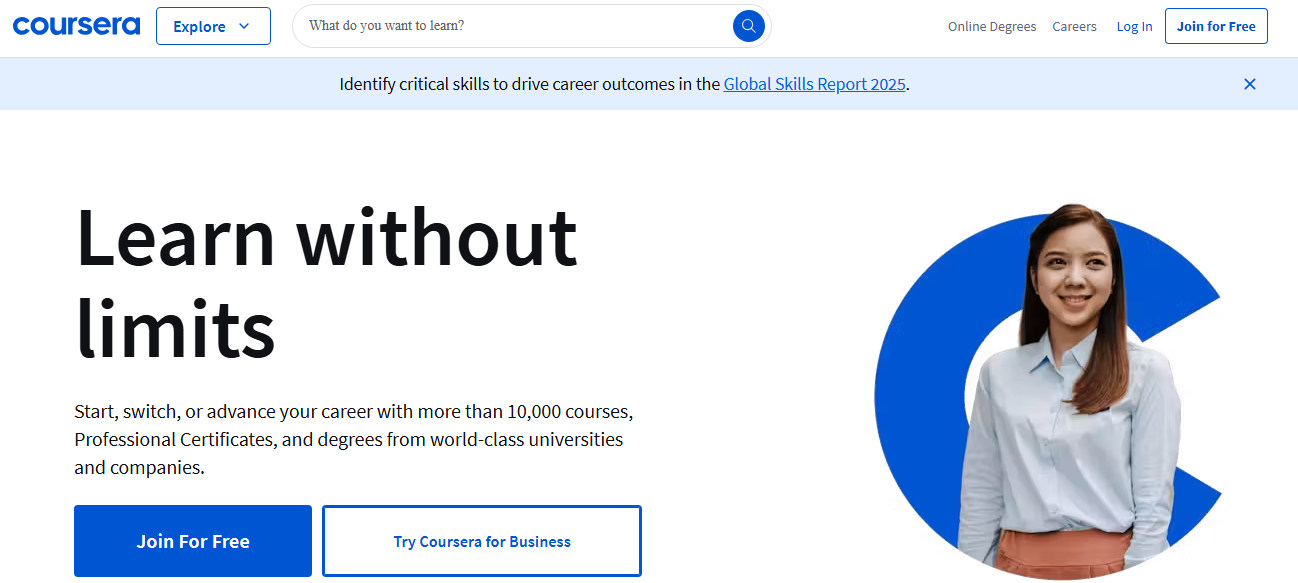
Coursera implements AI recommendations for course paths, assignments, and quizzes based on learner progress and goals. Enterprises that use Coursera see improved skill retention and certification rates when users tackle material adapted to their current context. The platform also uses generative AI to offer feedback and coaching in writing-heavy assessments.
Duolingo
Duolingo is a fun app that helps people learn new languages. It uses smart AI to watch how each person is doing. So, if someone keeps on making mistakes with certain words or grammar, Duolingo gives them more practice on that topic. But if they do well, the app skips ahead to harder lessons. This way, the learning stays at the right level. Not too hard and not too easy.
Smart Sparrow

Smart Sparrow is an online learning tool that many colleges and schools use. It lets teachers make lessons that change based on how the student answers them. Like for example, if a student gets a question wrong, the system shows them hints or gives a simpler explanation. This is certainly great for hard subjects like science and medicine. This way, students can learn at their own speed and understand the topic better.
3. AI-Driven Dynamic Leaderboards
What It Is
Instead of showing one big ranking list, AI-powered leaderboards put users into smaller groups based on skill, progress, or performance, and then show rankings inside those groups. This produces fair and motivating comparisons that help users to improve.
Why It Works
Old-fashioned leaderboards can make learners feel discouraged. So, new users might feel stuck at the bottom, and top users might stop trying. AI makes fair groups, so people compete with others like them. Without a doubt, this helps everyone stay motivated and work toward small goals, which makes them feel proud of themselves and keeps them trying.
Psychologically, meaningful comparison and peer benchmarking support the desire for mastery. AI allows this by clustering users according to key performance indicators like quiz results, completion rates, or points accumulated.
Real-World Examples
SalesScreen

SalesScreen offers real-time leaderboards that are categorized by sales goals, specific KPIs, and teams. Their tool integrates sales data and updates rankings instantly, which helps to foster a healthy atmosphere of friendly competition
Redis-leaderboard

Redis-leaderboard solutions and tools like Tinybird demonstrate how AI can filter and rank performance by defined groups. Like “this week’s top scorers among beginners” and this encourages balanced competition.
4. Smart Rewards & Incentives
What It Is
Smart rewards use AI to guess what kind of prizes will best encourage each person. These smart rewards include badges, special content, streak gifts, or discounts. This goes beyond blanket reward systems and provides personalization that resonates with an individual’s preferences.
Why It Works
Personal relevance matters. This is because a general badge might not motivate a user, but earning a badge tied to their progress on a specific topic would feel meaningful for the user. AI-generated personalized rewards tap into intrinsic motivation, and this makes the achievement feel tailored and thoughtful.
Furthermore, research shows that personalization increases engagement by 20–30% in loyalty programs. So, applying this in learning and other contexts yields measurable boosts.
Real-World Example
Amazon And Fetch

Online shopping reward programs like Amazon Rewards or Fetch use AI to find out which rewards work best. They give coupons or points based on what each person likes and has done before.
In learning, similar programs award specialty badges or unlock mini-courses based on topic mastery or usage habits. As a result, this will reinforce each individual’s effort.
5. AI-Powered Virtual Coaches
What It Is
AI-powered virtual coaches are chatbots or avatars that guide the learners in real time. It also offers feedback, hints, encouragement, and adaptive support, much like a human tutor, but scalable.
Why It Works
Learners need personalized support. This is because without it, frustration or boredom can quickly set in. AI coaches provide empathy, encouragement, and personalized instruction. So, by asking guiding questions, offering hints, and giving constructive feedback, these coaches help learners stay engaged and feel supported.
Moreover, studies show that tutoring is among the most effective forms of instruction. AI coaching aims to scale this model with intelligent dialogues and individualized assistance.
Real-World Example
Khanmigo
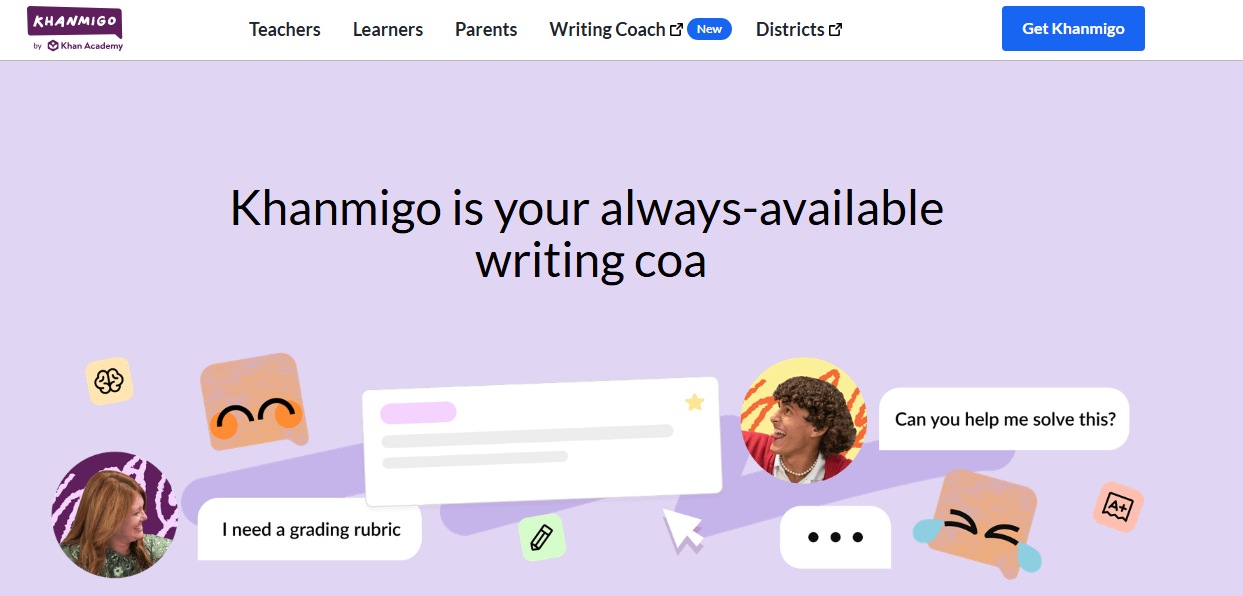
Khanmigo is Khan Academy’s AI tutor powered by GPT-4. So, instead of simply giving answers, it prompts learners to think through solutions.
Fitness apps like Aaptiv provide AI coaches that correct pacing or form based on user performance data, motivating users more effectively than blind playback.
Duolingo Max

Duolingo Max is a special version of the Duolingo app. It uses smart AI to help people learn languages better. It has a smart helper that talks to you, and it is powered by ChatGPT.
This helper can explain why your answer is right or wrong. It also lets you practice real-life talks, like role-playing. If you make a mistake, it gives tips to help you learn — not just the right answer. It feels like a kind teacher who helps you every step of the way.
6. Predictive Engagement Models
What It Is
Predictive engagement models use AI to identify when users are likely to disengage. For instance, missing lessons, skipping logins, or slowing progress and proactively trigger interventions like reminders, challenges, or incentives to re-engage users.
Why It Works
Early intervention helps to maintain consistent engagement habits. AI can also detect declining activity patterns and act before disengagement becomes permanent. Behavioral science shows that timely nudges can also keep systems from losing users who are just at the edge of dropping out.
Real-World Examples
Netflix and Spotify

Netflix and Spotify use smart tools to notice when people stop watching or listening. Then, they send fun or interesting things at the right time to get users back.
Learning websites can do the same. But how? Well, they can send friendly messages or give small rewards to help people stay interested. This soft push helps bring users back in a kind and smart way.
7. Context-Aware Gamification
What It Is
With the help of AI, gamification can change based on where the user is, what time it is, or what device they are using.
This means that the app can give tasks or rewards that fit the user’s situation. For example, it might give a quick challenge during a lunch break or an easy task when a user uses a phone. As a result, this makes things feel more natural, more useful, and easier to do.
Why It Works
When gamification matches the moment, like a short 3-minute quiz while someone is on the bus it feels easier and more natural to do. It doesn’t interrupt the day. Instead, it becomes part of it. This smart timing helps people join in more often and makes the experience smoother.
Real-World Examples
- Mobile learning apps prompt lunchtime questions or evening recap reviews.
- Fitness trackers might issue a weekly nighttime streak prompt post-dinner.
- Commuter-based microlearning features bite-sized content triggered by location-based notifications are ideal for learning while waiting or traveling.
8. Behavioral Data–Driven Game Mechanics
What It Is
AI watches how each user acts. It looks at how often they log in, how fast they finish quizzes, and where they make mistakes. Then, it changes the game parts to match the user, like how many points they earn, how often they get rewards, how hard the tasks are, and how fast the game moves.
Why It Works
Static systems eventually grow stale or mismatch user preferences. AI helps the system change based on how the user is doing. It makes things harder if the user stops improving, and easier if the user gets stuck or frustrated. It also changes rewards based on how the user acts. This keeps the user interested and motivated
Real-World Example
TikTok
TikTok’s AI showcases which short-form formats are performing best and adapts content prompts or challenges to align with user trends.
9. AI-Powered Collaborative Gamification
What It Is
AI-powered collaborative gamification is a strategy that uses artificial intelligence to bring users together into dynamic teams for shared challenges. These group-based activities might include collaborative missions, team-based scoreboards, or peer-supported projects that need coordination between multiple participants.
This idea turns solo tasks into group activities. So, now, people don’t just work alone. They also work together. Everyone still makes their own progress, but they are also part of a team. The team shares goals, so people feel like they are doing something bigger together.
Why It Works
This strategy is effective because it taps into the power of social motivation. So, when people feel they are part of a team or group, they are often more driven to participate consistently.
Moreover, AI improves this procedure by intelligently creating teams of equal strength and dynamic difficulty settings to make sure that no user feels left out or overwhelmed.
Real-World Examples
Corporate training – Sales teams participate in monthly “crowd-knowledge quests” tracked by AI.
Education – AI assigns peer teams for group-based quizzes, where achievement contributes to both individual and team recognition.
Fitness apps – Users join location-based “city challenges” to collectively log steps or workouts over a week.
10. Emotion-Aware Feedback Systems
What It Is
AI is used in emotion-sensitive feedback systems. It typically operates via computer vision, voice tone analysis, or behavioral cues. This is to identify the emotional state of a user (such as confusion, frustration, boredom, or excitement) and react on a real-time basis. Depending on these emotional indicators, the system may initiate motivation, make a task easier, provide appreciation, or take a break. The idea is to align feedback with the mood that the user is in and not only with what he/she is doing.
Why It Works
Engagement is motivated by emotions. Users are likely to quit when they experience frustration. The more they are confident or challenged positively, the more they will be willing to continue. Emotion-sensitive systems will be able to detect the early indicators of disengagement, such as extended pauses, repetitive errors, or furious clicks, and provide the necessary push to help the user restore motivation.
AI can also use facial recognition or sentiment analysis (with opt-in permission) to detect emotional reactions. This brings empathy to the digital experience. So, when the software understands not just what a user did, but how they feel, it can craft feedback that feels human and supportive.
Real-World Examples
Education – Some AI tutoring systems such as those that are being tested at MIT and the University of Memphis, modify the tone or pace of feedback to the student who might seem lost or overwhelmed.
Workplace training – AI can monitor interaction patterns (like sudden drop in clicks or repeated wrong answers) and deliver emotionally responsive pop-ups like “Take a breather?” or “Great effort! Or ‘Do you want a tip?”
Gaming apps – Emotion-aware AI changes the game’s music, difficulty, or story to help the user stay happy and not get too tired or bored.
Conclusion
Gamification with the use of AI is not only about entertainment. It is a clever and effective method of keeping people motivated, which makes them stay longer and develop good habits that can last a long time. Therefore, by combining personalized challenges, intelligent learning steps, emotional encouragement, and prompt feedback, platforms can develop enjoyable and helpful experiences.
It doesn’t matter if you’re an educator who wants to boost student outcomes, a product designer who is aiming to drive user retention, or a marketer who wants to seek deeper customer engagement; these strategies bring fresh possibilities. The examples covered, like Duolingo, Khan Academy, TikTok, Spotify, and Netflix, demonstrate both the promise and the pitfalls of AI in gamification. They show that personalization works and that quality controls, ethics, and ongoing iteration matter.
You don’t have to start from scratch to use AI-powered gamification. You can just begin with one or two simple ideas, like personalized challenges or dynamic leaderboards. Later, you can add more features like emotional feedback or tasks that fit the user’s time and place. And also remember to always make sure a human is checking the system to keep it fair and trustworthy.
Build Smarter Projects with Custom Help from BadgeOS
If you have questions or need help, just let us know. We can give you simple templates, suggest the right tools, or help you build your first AI-powered gamified setup.
BadgeOS also offers customization services to fit your project’s needs. Just reach out, and we’ll help you get started!


Leave A Comment